
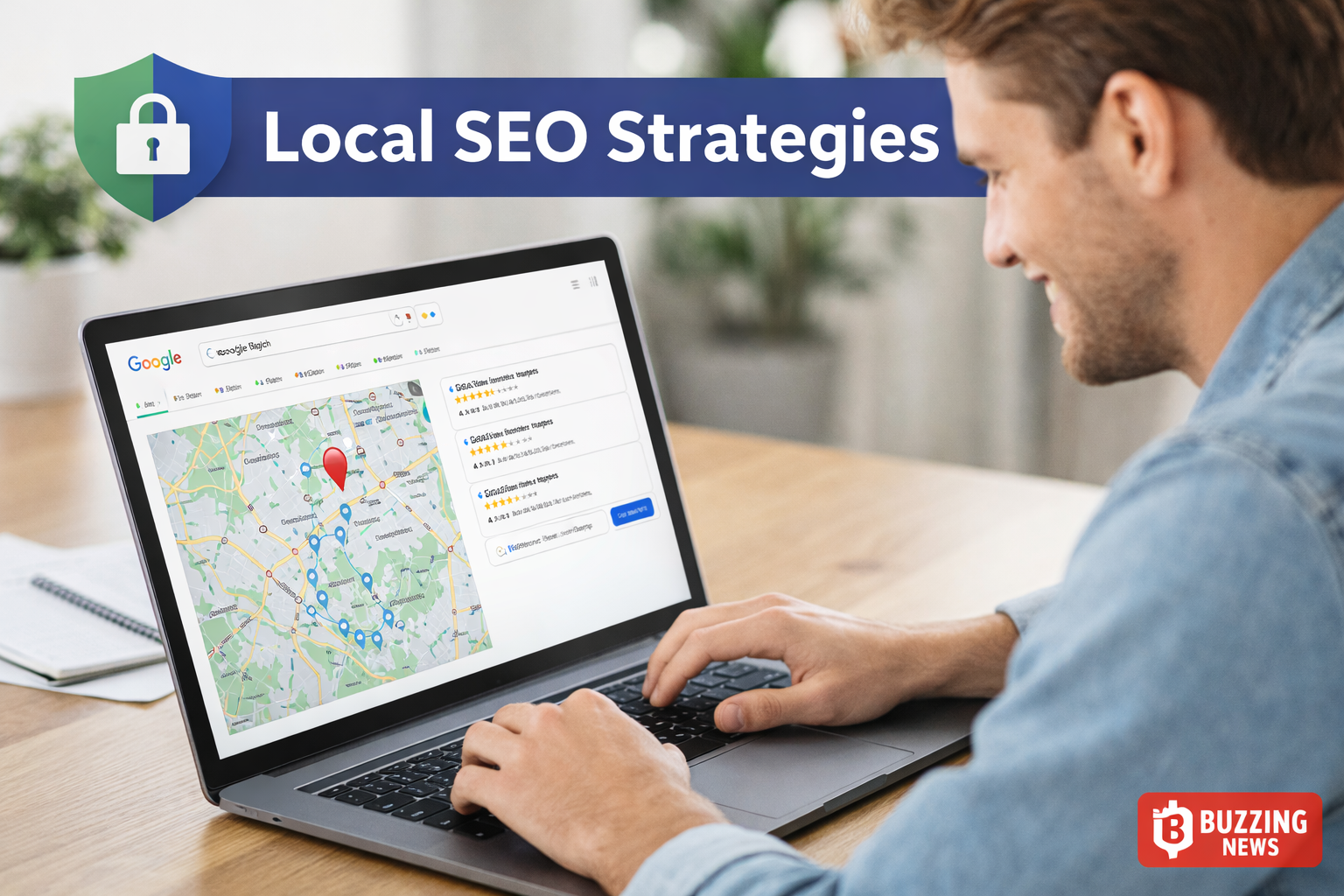
🔥 Introduction
Local SEO guide – strategies are the foundation of dominating your local market in 2026.
If your business isn’t appearing in local search results, Google Maps, or “near me” searches, you’re leaving money on the table. I’ve personally seen how powerful the right local SEO strategies can be — not just for traffic, but for attracting ready-to-buy customers in Tier 1 markets such as US, UK, Canada, and Australia.
In this complete Local SEO Guide, I’ll walk you through 9 proven tactics I use to skyrocket local traffic, increase authority, and outperform competitors in crowded search results. These are not outdated hacks — they’re actionable, data-backed strategies aligned with how Google ranks local businesses today.
If you’re serious about dominating local search and building sustainable organic growth, this guide will show you exactly how I do it.
Let’s dive in.
Table of Contents
01. Optimize Your Google Business Profile for Maximum Visibility
In every successful local SEO guide I’ve developed, optimizing the Google Business Profile (GBP) is always the foundation. Without a fully optimized and actively managed profile, achieving strong local search visibility becomes extremely difficult. Google relies heavily on Business Profile signals when determining which companies deserve top placement in local map packs and geo-targeted searches.
As part of my local SEO guide framework, I ensure that every essential business detail is accurate, complete, and strategically optimized. This includes selecting the correct primary and secondary categories, writing a keyword-rich yet natural business description, listing services properly, updating business hours, and embedding geo-targeted keywords that align with search intent. Consistency across NAP (Name, Address, Phone number) data is also critical for trust and ranking stability.
Beyond basic optimization, activity plays a major role. I upload high-quality, location-relevant images weekly, respond promptly and professionally to customer reviews, and publish regular posts to signal engagement. Google’s official documentation confirms that complete and active profiles are prioritized in local search results: https://support.google.com/business/
In my experience following this local SEO guide strategy consistently increases map pack visibility, local impressions, and click-through rates. If you want to understand how entity optimization strengthens this process even further, see my internal resource: 7 Proven AEO Strategies to Dominate SEO in 2025.
02. Target High-Intent Local Keywords Strategically
When I build a local SEO guide, I always remind myself that not all keywords carry the same value. Some bring traffic, while others bring customers ready to take action. That’s why I prioritize high-intent, transactional search terms inside every local SEO guide I create. Instead of chasing broad phrases, I focus on keywords like “plumber in Chicago,” “best dentist near me,” or “emergency HVAC London.” These searches signal urgency and buying intent, which means higher conversions and better ROI.
To uncover these opportunities, I rely on professional tools like Ahrefs and Google Keyword Planner, while also validating trends using trusted resources such as Moz’s keyword research guide (https://moz.com/learn/seo/keyword-research). But identifying the right keywords is only half the battle. In my local SEO guide strategy, placement matters just as much as selection.
Rather than stuffing phrases unnaturally, I integrate keywords strategically into headings on H1 and H2, meta descriptions, image alt text, and contextual internal links. This keeps the content readable while reinforcing topical relevance for search engines. Over time, this structured approach strengthens authority and improves ranking stability.
If you want to go deeper, I recommend exploring a supporting cluster article like “Beginner’s Guide to Keyword Research for Local Businesses,” which complements this local SEO guide and builds even stronger semantic depth.
03. Create Location-Specific Landing Pages That Convert
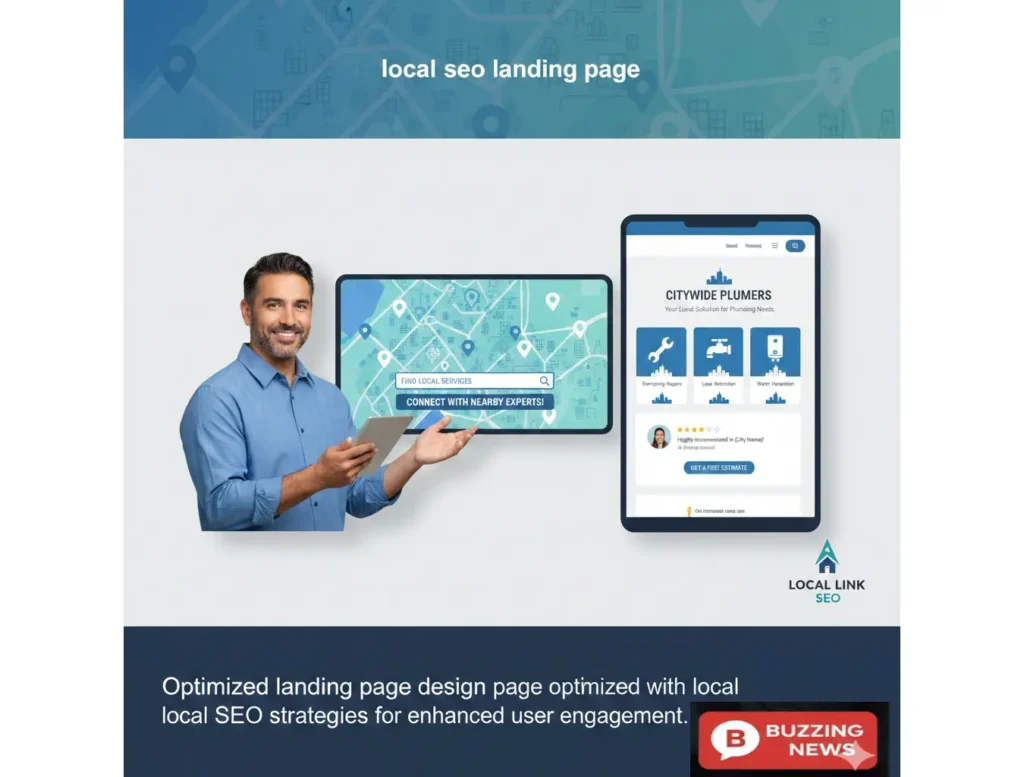
In this local SEO guide, I often point out a common mistake many businesses make: relying on one generic service page to target multiple cities. While this might seem efficient, it usually weakens both search rankings and conversion rates. A well-structured local SEO guide always recommends building dedicated landing pages for each location you serve. These pages help search engines clearly understand your geographic relevance while also providing visitors with content that feels specific and relevant to their area.
For instance, instead of one broad service page, a strong local SEO guide strategy would use optimized URLs such as /plumbing-services-new-york or /plumbing-services-brooklyn. Each page should include unique local content, customer testimonials from that specific city, and an embedded Google Map highlighting the service area. Adding Local Business schema markup further strengthens the location signals that search engines rely on when ranking local businesses.
Another important recommendation in a professional local SEO guide is tailoring headings, service descriptions, and FAQs to reflect local needs and concerns. When potential customers see familiar neighborhoods, landmarks, or community references, they feel more confident contacting the business.
By implementing location-focused pages as described in this local SEO guide, businesses can significantly improve local rankings, attract highly targeted visitors, and increase the likelihood that those visitors convert into real customers.
04. Build Authoritative Local Backlinks
In my local SEO guide, I emphasize that building authoritative local backlinks is one of the most powerful ways to improve rankings and boost trust with both Google and your target audience. While general backlinks help, local backlinks specifically signal geographic relevance, which is essential for attracting customers in Tier 1 markets. I focus on acquiring links from reputable sources such as local business directories, Chambers of Commerce, neighborhood newspapers, and sponsorships of community events.
These backlinks do more than increase domain authority—they show search engines that your business is an established, trusted presence in its local area. Each backlink I include in my local SEO guide is carefully vetted for quality and relevance to ensure maximum impact. For example, a link from a well-known local news site or event page can send highly targeted traffic while reinforcing your credibility.
I also regularly audit backlinks to remove any low-quality or spammy links that could undermine results. According to Backlinko’s research on link building (https://backlinko.com/link-building), authoritative, relevant backlinks remain a cornerstone of successful SEO campaigns. By strategically focusing on local backlinks within my local SEO guide, I create a strong foundation that not only improves Google rankings but also drives meaningful, geo-targeted traffic that converts into real business growth.
This approach makes local backlink building an integral, repeatable part of any effective local SEO guide strategy, helping businesses dominate competitive local search results.
05. Optimize NAP Consistency Across Citations
In this local SEO guide, one of the most important steps I always emphasize is maintaining NAP consistency—your business Name, Address, and Phone Number—across every directory, citation, and online listing. Search engines like Google rely on consistent business information to verify legitimacy and trust. If the details vary even slightly—such as abbreviations, punctuation, or formatting—it can confuse search algorithms and weaken your local search visibility.
A reliable local SEO guide recommends regularly auditing all citations to ensure they match exactly. Many professionals use tools such as BrightLocal or manual audits to review listings on platforms like Google Business Profile, Yelp, and industry directories. Even small inconsistencies can reduce ranking strength in local map results.
By applying strict NAP consistency as part of this local SEO guide, businesses build stronger entity trust with search engines and improve their chances of appearing in local pack and map listings. Consistent citations also help potential customers find accurate contact details, increasing the likelihood of calls or visits. Over time, following this local SEO guide strategy creates a stable foundation for long-term local search performance and simplifies ongoing citation management for sustainable growth.
06. Leverage Reviews to Boost Local Rankings
In my local SEO guide, I emphasize that online reviews are one of the most powerful tools for improving local search rankings. Positive reviews not only increase your visibility in Google Maps and local packs, but they also build trust with potential customers, directly influencing click-through rates and conversions. I recommend asking every satisfied customer to leave a review, responding promptly and professionally to all feedback, and naturally incorporating relevant keywords within review responses.
According to BrightLocal’s research (https://www.brightlocal.com/research/local-consumer-review-survey/), businesses with more positive reviews are more likely to rank higher and attract qualified local traffic. In this local SEO guide, I also highlight strategies to showcase reviews across service pages, embed them in landing pages, and use structured data markup to enhance rich snippets. By making review management a core part of your local SEO guide strategy, you strengthen credibility, improve CTR, and create a sustainable system for ongoing reputation building, ensuring your business stands out in competitive local search results.
07. Improve Mobile Experience for Local Users
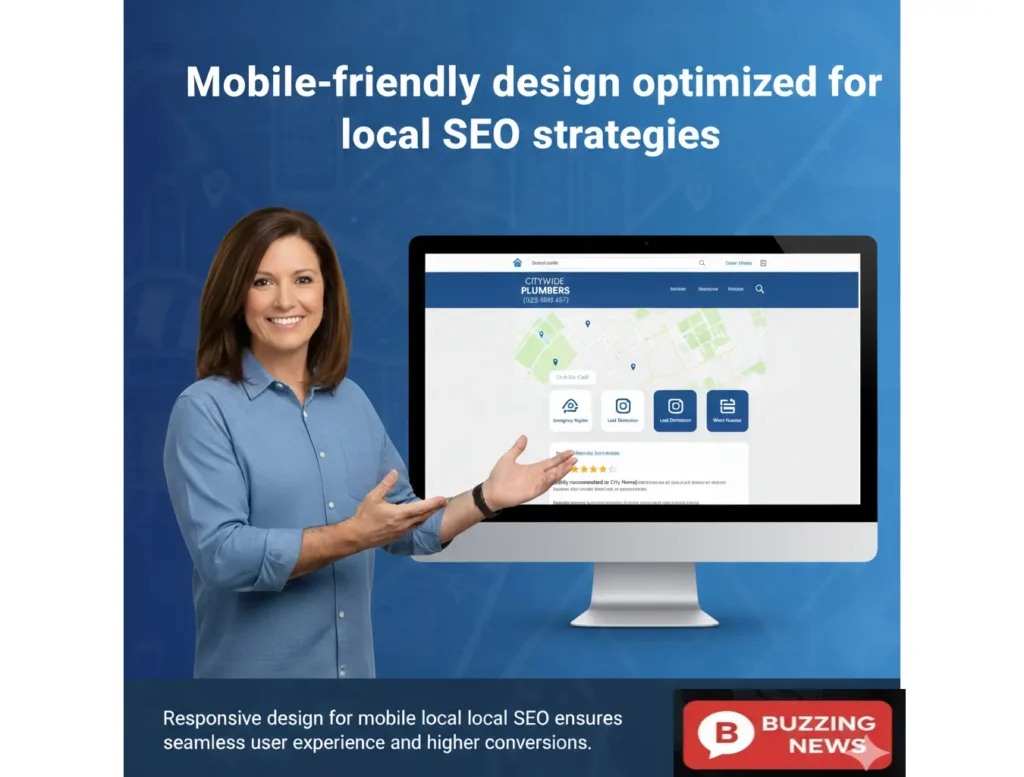
In my local SEO guide, I emphasize that optimizing the mobile experience is essential because over 60% of local searches now happen on smartphones and tablets. A fast, intuitive mobile site directly impacts rankings, user engagement, and conversions. My local SEO guide recommends focusing on lightning-fast page loading, click-to-call buttons for instant customer action, and simplified navigation that makes it easy for users to find services quickly.
Google’s mobile-first indexing (https://developers.google.com/search/mobile-sites/) prioritizes websites that perform exceptionally on mobile devices. In this local SEO guide, I also stress testing responsiveness across different screen sizes and ensuring that images, videos, and forms display correctly. By making mobile optimization a central part of your local SEO guide, businesses not only satisfy search engine algorithms but also deliver a seamless experience that keeps visitors engaged, reduces bounce rates, and increases conversions. Failing to prioritize mobile could mean losing valuable Tier 1 traffic, making mobile optimization one of the most critical pillars of any comprehensive local SEO guide strategy in 2026.
08. Implement Local Schema Markup
In my local SEO guide, I emphasize that implementing local schema markup is a critical strategy for helping search engines understand your business, services, and location more clearly. Schema allows Google to identify structured data on your website, which can lead to rich results, enhanced snippets, and higher click-through rates. In this local SEO guide, I implement multiple types of schema, including LocalBusiness schema to define your business identity, Review schema to highlight customer feedback, and FAQ schema to answer common queries directly in search results.
Using schema as part of my local SEO guide ensures that search engines can better interpret the relevance and authority of your content. It’s especially important for local businesses competing in Tier 1 markets, where rich results can make your listing stand out from competitors. For reference, Schema.org provides comprehensive documentation (https://schema.org/LocalBusiness) to guide proper implementation.
In addition, integrating schema supports other local SEO guide tactics, such as Google Business Profile optimization and location-specific landing pages, creating a cohesive strategy that signals trust and relevance to both users and search engines. By adding structured data correctly, businesses can improve visibility, boost engagement, and increase traffic from local search queries, making schema markup a must-follow step in any thorough local SEO guide strategy.
09. Track, Measure, and Scale Local SEO Performance
In this local SEO guide, I strongly emphasize that consistently tracking and measuring results is the key to long-term local search success. Local SEO is never a one-time task; it requires ongoing monitoring and refinement to keep rankings stable and competitive. A practical local SEO guide recommends using reliable tools to understand how your website performs in search results and how users interact with your content. Platforms such as Google Search Console help monitor indexing status and keyword performance, while Google Analytics 4 (GA4) reveals valuable insights about user behavior, engagement, bounce rates, and conversions.
Following this structured approach in a local SEO guide allows businesses to identify which pages attract the most local traffic and which ones need improvement. For example, if a service page is not performing well, you can update the meta description, strengthen internal linking, improve calls-to-action, or refresh the content to better match user intent. Tracking also highlights which keywords bring the most valuable visitors from specific locations, helping you prioritize the strategies that truly work.
A well-structured local SEO guide treats data as the foundation for growth. By regularly reviewing analytics, businesses can scale successful tactics, eliminate ineffective efforts, and continuously improve their local visibility. Over time, this process builds sustainable search authority, increases qualified leads, and ensures that your local SEO strategy remains effective in an ever-changing search landscape
❓ FAQ Section
Q1: What are the most effective local SEO strategies in 2026?
Answer: Google Business optimization, backlinks, reviews, NAP consistency, schema markup.
Q2: How long does local SEO take to show results?
Answer: Typically 3–6 months depending on competition.
Q3: Do reviews affect local rankings?
Answer: Yes. Review quantity, quality, and response rate impact visibility.
Q4. How does a local SEO guide help increase website traffic?
Answer: A well-structured local SEO guide improves traffic by optimizing your website for geo-specific searches.
This includes strategies such as:
Optimizing Google Business Profile
Creating location-specific landing pages
Building local citations
Getting customer reviews
Targeting long-tail local keywords
When these techniques are applied correctly, search engines understand where your business operates and who your target audience is, helping your website rank higher in local search results.
Q5. What are the best tools recommended in a local SEO guide?
Answer: Several professional tools help implement a successful local SEO guide.
Popular tools include:
Google Business Profile Manager – Manage local listings
Ahrefs / SEMrush – Keyword research and competitor analysis
BrightLocal – Local citation tracking
Moz Local – NAP consistency management
Google Search Console – Monitor search performance
Q6. How long does it take to see results from local SEO?
Answer: Local SEO is a long-term strategy, and results typically appear within 3 to 6 months, depending on competition and optimization quality.
Businesses in competitive cities like London, New York, Toronto, or Sydney may take slightly longer to see strong rankings.
However, consistent efforts such as:
Publishing location-focused content
Earning local backlinks
Collecting customer reviews
Updating Google Business Profile
can gradually improve visibility and bring sustainable organic traffic over time.
Summery
Local search isn’t optional anymore — it’s essential. By applying these proven local SEO strategies, I consistently increase traffic, outrank competitors, and generate real business growth in Tier 1 markets.
The key isn’t shortcuts. It’s consistency, authority, and strategic optimization.
Master these 9 tactics, align them with your broader SEO framework from my pillar guide, and you’ll build sustainable local dominance that compounds year after year.