

Introduction
I’ve spent years exploring different ways to generate passive income, and one thing became crystal clear: not every “passive income” method is worth the risk. Some strategies promise huge returns but come with volatility that can wipe out your savings overnight.
That’s why I focus on low-risk passive income strategies—methods that give consistent results while protecting your capital. These strategies work in Tier 1 countries like the USA, UK, Canada, and Australia, and they’re designed for anyone who wants financial freedom without unnecessary stress.
In this article, I’ll walk you through 8 low-risk passive income secrets I personally use and recommend. You’ll learn how to:
- Protect your capital while earning income
- Build consistent cash flow over time
- Scale your investments safely
By the end of this guide, you’ll have actionable steps to start generating income that grows steadily—without gambling your financial future.
Table of Contents
1. What Is Low-Risk Passive Income?
When I first started exploring ways to earn money through investments, I honestly believed that “low risk” meant settling for lower returns. But over time, I realized that this assumption was completely wrong. In reality, Low-Risk Passive Income is about creating income streams that are stable, predictable, and sustainable, rather than chasing risky opportunities that can quickly lead to losses.
Low-Risk Passive Income refers to earning money from investments or assets that are designed to:
- Experience minimal market volatility
- Provide consistent and predictable returns
- Protect your initial capital over the long term
Instead of relying on highly speculative options like cryptocurrencies or penny stocks—which can fluctuate dramatically—Low-Risk Passive Income strategies focus on reliability and long-term financial growth. These methods are ideal for anyone who wants to build wealth without constantly worrying about market crashes or sudden losses.
Some of the most common and effective examples of Low-Risk Passive Income include:
- Dividend-paying stocks that generate regular payouts
- Government or corporate bonds that offer fixed interest
- Real Estate Investment Trusts (REITs) and rental properties that provide steady cash flow
For me, the biggest benefit of focusing on Low-Risk Passive Income is the peace of mind it brings. I can invest confidently, knowing my money is relatively safe, while still watching my income grow gradually over time. This approach reduces emotional stress and enables better financial planning.
These strategies are also highly adaptable across major economies like the US, UK, Canada, and Australia. Whether you’re a beginner or an experienced investor, Low-Risk Passive Income allows you to:
- Diversify your investment portfolio
- Reinvest earnings to benefit from compounding growth
- Build a long-term, sustainable wealth strategy
To explore these concepts further, you can refer to trusted financial resources:
👉 https://www.investopedia.com/terms/p/passiveincome.asp
Ultimately, Low-Risk Passive Income is not about getting rich quickly—it’s about building wealth safely, consistently, and with confidence over time.
2. Why Low-Risk Strategies Outperform High-Risk Ones
Over the years, I’ve watched many beginners fall into the trap of chasing “get-rich-quick” opportunities. While these high-risk investments may promise massive returns, they often lead to significant losses and financial burnout. What I’ve learned from experience is that Low-Risk Passive Income strategies consistently outperform high-risk approaches in the long run because they focus on stability, predictability, and sustainable growth.
The truth is simple: higher returns usually come with higher risk. That’s why I shifted my focus toward Low-Risk Passive Income, where the goal isn’t overnight success but steady financial progress that compounds over time. These strategies help me stay disciplined and avoid emotional decision-making, which is one of the biggest causes of investment failure.
Here’s why Low-Risk Passive Income works so effectively:
- It reduces stress by minimizing market volatility
- It provides predictable earnings, making financial planning easier
- It builds long-term wealth through consistent compounding
Think about it this way: would you rather experience extreme ups and downs, or enjoy steady growth year after year? Personally, I always choose the second option. Earning a consistent 8–12% annually through Low-Risk Passive Income may seem slower, but over time, it creates a powerful compounding effect that far outweighs risky short-term gains.
Another key advantage is the ability to reinvest profits, which accelerates wealth building without increasing risk. This is why many successful investors prioritize diversification and long-term strategies over speculation.
For deeper insights, check these related articles:
- 7 Investment Strategies for Beginners to Build Wealth Fast
- Passive Income Strategies: Proven Ways to Build Wealth Fast
In the end, Low-Risk Passive Income isn’t just a safer option—it’s a smarter, more reliable path to building lasting wealth without unnecessary financial stress.
3. Secret #1: Dividend Stocks for Stable Income
One of the first strategies I truly trusted when building my portfolio was investing in dividend stocks, and to this day, they remain a core part of my Low-Risk Passive Income approach. Dividend stocks are shares in established companies that regularly distribute a portion of their profits to shareholders, creating a reliable stream of income without needing to sell the investment.
What makes dividend stocks ideal for Low-Risk Passive Income is their balance between stability and growth. I focus on companies with strong financial health, a consistent history of paying dividends, and operations spread across different industries. This helps reduce risk while maintaining a steady income. Over time, I’ve learned that choosing the right companies is key to ensuring both safety and long-term returns.
Here’s what I look for when selecting dividend stocks:
- Companies with solid financial performance and stable earnings
- A long track record of consistent or increasing dividend payments
- Diversification across sectors to reduce exposure to market fluctuations
Dividend stocks work exceptionally well for Low-Risk Passive Income because they offer:
- Regular quarterly income that supports cash flow
- Potential capital appreciation as stock prices increase
- The ability to reinvest dividends and benefit from compounding growth
I personally prefer sectors known for stability, such as utilities, healthcare, and consumer staples. These industries tend to perform well even during economic downturns, making them reliable for consistent income generation.
One of the most powerful aspects of this strategy is reinvestment. By reinvesting dividends, I’ve created a snowball effect in my portfolio, where my income continues to grow without adding extra risk. This is a key principle behind building sustainable Low-Risk Passive Income over time.
In my experience, dividend stocks are one of the most practical and effective ways to generate Low-Risk Passive Income, combining steady cash flow with long-term financial growth.

4. Secret #2: Real Estate Investment Trusts (REITs)
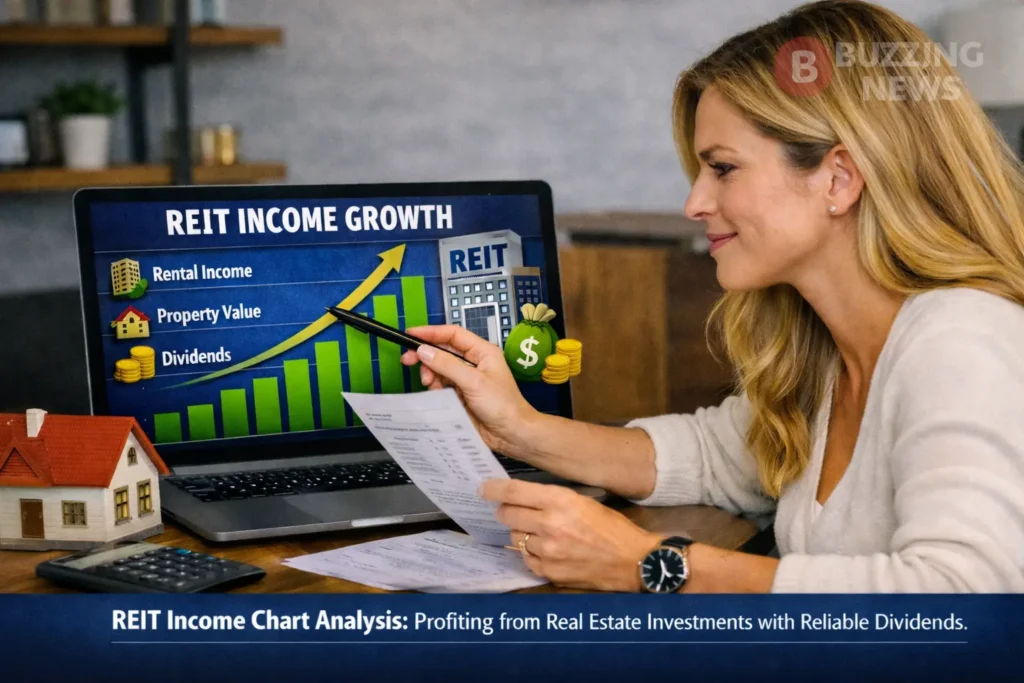
I’ve always been interested in real estate as a way to build wealth, but I quickly realized that owning physical property comes with high costs, ongoing maintenance, and a lot of stress. That’s when I discovered REITs, which have become one of my favorite Low-Risk Passive Income strategies. REITs, or Real Estate Investment Trusts, allow me to invest in income-generating real estate without the hassle of managing tenants, repairs, or property taxes.
What makes REITs ideal for Low-Risk Passive Income is their ability to provide consistent, rental-like income through dividends while maintaining flexibility. Instead of buying an entire property, I can invest a smaller amount and still benefit from large-scale real estate projects such as office buildings, shopping centers, apartments, and warehouses.
Here’s why I rely on REITs for Low-Risk Passive Income:
- They have a low entry cost, making them accessible for beginners
- They offer high liquidity, meaning I can buy or sell shares easily like stocks
- They provide regular dividend payouts, often higher than traditional stocks
To reduce risk even further, I diversify my investments across both commercial and residential REITs. This balance helps protect my income stream during different economic conditions, ensuring more stable and predictable returns over time.
Another advantage of REITs is transparency. Most REITs are publicly traded and regulated, which gives me confidence in their performance and reporting. This makes them a reliable option for anyone looking to build Low-Risk Passive Income through real estate without the complexities of direct ownership.
From my experience, REITs are one of the simplest and most effective ways to generate Low-Risk Passive Income, combining the benefits of real estate investing with the convenience and flexibility of the stock market.
5. Secret #3: High-Yield Savings Accounts & Bonds
Whenever I want to prioritize safety above everything else, I rely on high-yield savings accounts and government or corporate bonds as a core part of my Low-Risk Passive Income strategy. These financial tools are among the most dependable ways to generate steady income while protecting my original investment, especially during uncertain or volatile market conditions.
What makes these options ideal for Low-Risk Passive Income is their strong emphasis on capital preservation and predictable returns. Unlike stocks or other higher-risk assets that can fluctuate significantly, savings accounts and bonds provide a level of stability that helps me stay confident and consistent with my long-term financial plan.
Here’s why I consistently include them in my Low-Risk Passive Income portfolio:
- They offer predictable returns with minimal risk, making income planning more reliable
- They provide high liquidity, allowing easy access to funds when needed
- They ensure financial stability, protecting capital from sudden market downturns
In many Tier 1 countries like the US, UK, Canada, and Australia, high-yield savings accounts can offer interest rates ranging from approximately 0.5% to 5%, depending on economic conditions and central bank policies. At the same time, government bonds are backed by national institutions, making them one of the safest investment options available. Corporate bonds, while slightly riskier, often provide higher returns, making them a useful addition to a diversified Low-Risk Passive Income strategy.
Personally, I combine both savings accounts and bonds to build a strong and stable financial foundation. While the returns may not be as high as stocks or REITs, the security and consistency they provide are invaluable. This approach allows me to balance growth with protection, ensuring that a portion of my income remains stable regardless of market fluctuations.
To explore these options further, you can refer to trusted financial resources:
👉 https://www.nerdwallet.com/best/banking/high-yield-online-savings-accounts
From my experience, these tools form the backbone of any successful Low-Risk Passive Income plan, offering security, consistency, and a reliable base for long-term wealth building.

6. Secret #4: Digital Products That Sell Automatically
One of the most powerful strategies I’ve discovered for building Low-Risk Passive Income is creating digital products that can be sold automatically. Unlike traditional businesses that require constant effort, digital products allow me to put in the work once and then continue earning income over time with minimal maintenance. This makes them an ideal option for anyone looking to build scalable and sustainable Low-Risk Passive Income streams.
Digital products come in many forms, depending on your skills and expertise. Some of the most effective options I’ve used include:
- eBooks and downloadable guides
- Online courses and video tutorials
- Templates, printables, and digital tools
The real advantage of this Low-Risk Passive Income method is that the effort is mostly upfront. Once the product is created and properly set up, platforms like Gumroad, Shopify, and Udemy handle everything from payment processing to delivery. This automation allows me to focus on scaling rather than constantly managing the business.
Here’s why digital products work so well for Low-Risk Passive Income:
- They have low overhead costs, since there’s no inventory or shipping involved
- They offer global reach, allowing me to sell to customers in the US, UK, Canada, Australia, and beyond
- They provide scalable income, meaning I can sell the same product repeatedly without additional effort
From my experience, the key to success is simple: focus on a topic you understand well and create a product that solves a real problem. When your product delivers value, it naturally leads to repeatable sales and long-term income growth.
In my journey, digital products have become one of the most reliable and scalable ways to generate Low-Risk Passive Income, combining creativity, automation, and long-term earning potential.
7. Secret #5: Index Funds for Long-Term Growth
One of the most reliable strategies I use to build Low-Risk Passive Income over time is investing in index funds. These funds are designed to track the performance of a broad market index, such as the S&P 500, which means I don’t have to spend time picking individual stocks or constantly monitoring the market. This hands-off approach makes index funds one of the simplest and most effective ways to generate consistent returns while keeping risk relatively low.
What makes index funds ideal for Low-Risk Passive Income is their built-in diversification. Instead of relying on a single company’s performance, I’m investing in hundreds of companies at once. This significantly reduces the impact of any one company performing poorly, helping to stabilize my overall portfolio.
Here’s why index funds play a key role in my Low-Risk Passive Income strategy:
- Diversification: Exposure to a wide range of companies reduces individual stock risk
- Low fees: Index funds typically have lower management fees compared to actively managed funds
- Reliable long-term growth: Historically, major indices have delivered average annual returns of around 7–10%
To further strengthen my Low-Risk Passive Income portfolio, I often combine dividend-paying index funds with other stable assets like bonds or REITs. This creates a balanced, low-volatility investment strategy that generates both income and long-term capital growth.
Another benefit I’ve experienced is consistency. While index funds may not produce dramatic short-term gains, they provide steady growth that compounds over time. This makes them an excellent choice for investors who want to build wealth gradually without taking on excessive risk.
In my experience, index funds are one of the most dependable tools for creating Low-Risk Passive Income, offering a perfect balance between simplicity, diversification, and long-term financial growth.

8. Secret #6: Rental Arbitrage (Low-Capital Real Estate Income)
One of the most creative ways I’ve built Low-Risk Passive Income in real estate—without actually owning property—is through rental arbitrage. This strategy allows me to generate consistent rental income by leasing a property long-term and then renting it out short-term on platforms like Airbnb or Vrbo. It’s a smart way to enter the real estate market with significantly less capital while still benefiting from steady cash flow.
The concept behind rental arbitrage is simple, yet powerful:
- Lease a property at a fixed monthly rate
- List it on short-term rental platforms
- Earn the difference between rental income and expenses
What makes this approach effective for Low-Risk Passive Income is that it avoids the large upfront costs associated with buying property, such as down payments, taxes, and maintenance. Instead, I focus on high-demand locations, particularly in major cities across the US, UK, Canada, and Australia, where tourism and business travel ensure consistent occupancy.
Here’s why rental arbitrage works well as a Low-Risk Passive Income strategy:
- It requires lower upfront investment compared to property ownership
- It generates monthly cash flow with relatively minimal ownership responsibility
- It is scalable, allowing expansion across multiple properties over time
To minimize risk, I carefully analyze market demand, local regulations, and occupancy rates before committing to a lease. Choosing the right location is crucial—areas with strong tourism, business hubs, or event-driven traffic tend to perform best.
From my experience, rental arbitrage is a powerful way to generate Low-Risk Passive Income in real estate, offering flexibility, scalability, and the opportunity to earn without the burden of property ownership.
Secret #7: Peer-to-Peer Lending (Safer Options)
One of the strategies I’ve successfully used to generate Low-Risk Passive Income is peer-to-peer (P2P) lending. This approach allows me to lend money directly to individuals or small businesses through online platforms while earning interest as a consistent stream of passive income. The key to making this method low-risk is carefully selecting reputable platforms with strong borrower vetting, transparent terms, and protections such as government-backed or insured programs. By focusing on these safer options, I can enjoy higher returns without taking on unnecessary financial risk.
The main benefits I’ve experienced with P2P lending as part of my Low-Risk Passive Income portfolio include:
- Earning higher returns than traditional savings accounts, making the effort worthwhile
- Diversifying lending across multiple borrowers, which reduces the impact of any single default
- Having transparent risk and return tracking, so I know exactly where my money is and how it’s performing
For beginners interested in Low-Risk Passive Income, I recommend starting small, spreading your funds across multiple loans, and reinvesting the interest payments to take advantage of compounding growth over time. Focusing on Tier 1 countries such as the US, UK, Canada, and Australia also adds a layer of safety due to regulatory oversight and insured programs.
From my perspective, peer-to-peer lending is a highly effective way to earn Low-Risk Passive Income, offering the dual benefits of higher-than-average returns and the ability to diversify across borrowers for long-term financial stability.
10. Secret #8: Automated Online Businesses
One of the most powerful ways I’ve built Low-Risk Passive Income is through automated online businesses. These ventures allow me to generate consistent income with minimal ongoing effort once the initial setup is complete. Unlike traditional businesses that require daily management, automated online businesses leverage technology and smart systems to handle most of the work, making them a highly scalable and low-stress income stream.
Some of the most effective types of automated online businesses I use include:
- Affiliate websites that earn commissions from product referrals
- Dropshipping stores where products are sold without holding inventory
- Membership sites or subscription services providing recurring income
What makes these automated businesses ideal for Low-Risk Passive Income is their combination of low overhead, global reach, and the ability to scale. By targeting customers in Tier 1 countries like the US, UK, Canada, and Australia, I can maximize opportunities while keeping operational costs low. Additionally, using automation tools such as Shopify, Zapier, and email autoresponders reduces daily maintenance, allowing me to focus on growth rather than micromanaging tasks.
To succeed in building automated online businesses for Low-Risk Passive Income, I focus on niche markets with proven demand, create SEO-optimized content to attract organic traffic, and continually refine my systems to improve efficiency. Over time, this approach allows income to grow steadily without a proportional increase in workload.
In my experience, automated online businesses are one of the most effective ways to earn Low-Risk Passive Income, combining scalability, minimal upkeep, and long-term financial freedom in a way few other strategies can match.
FAQ Section:
Q1: What is considered low-risk passive income?
Answer: Low-risk passive income includes strategies with predictable returns and minimal volatility, like dividend stocks, REITs, bonds, and high-yield savings accounts. These methods prioritize capital preservation over speculative gains.
Q2: How much can I earn from low-risk passive income?
Answer: Earnings vary depending on investment size and strategy. Typically, returns range 5–12% annually for diversified portfolios including dividend stocks, bonds, and REITs
Q3: Can beginners start with low-risk passive income?
Answer: Absolutely. Beginners can start with high-yield savings accounts, index funds, or small REIT investments, gradually scaling as they gain confidence.
Q4: Are digital products and online businesses truly passive?
Answer: Yes, after initial setup, they generate income automatically. Maintenance is minimal—just updates, customer support, and occasional marketing
Q5: How do I combine multiple strategies safely?
Answer : A: Diversification is key. I balance stocks, bonds, REITs, P2P lending, and automated online businesses, ensuring income streams complement each other while reducing overall risk.
Conclusion & CTA
Over the years, I’ve discovered that low-risk passive income is the most sustainable path to financial freedom. From dividend stocks and REITs to automated online businesses and P2P lending, each strategy provides stability, predictable returns, and peace of mind.
If I could give one piece of advice, it’s this: focus on consistency, not hype. Even modest, steady returns compound over time to create meaningful wealth.
Now it’s your turn. Start small, diversify your portfolio, and gradually scale each income stream. Over time, these low-risk strategies will allow you to build wealth safely and achieve financial freedom.
👉 Take action today: Pick one of the 8 low-risk passive income strategies, implement it this week, and watch your money work for you.